Kasanaan — The Realm of the Dead in Philippine Mythology
Overview
Kasanaan is the underworld in Philippine mythology, commonly described as the realm where the souls of the dead reside after leaving the mortal world. It exists as a counterpart to Kaluwalhatian, forming part of a layered cosmology where different realms serve distinct roles within the structure of existence.
Unlike the realm of the gods, which is associated with order and elevation, Kasanaan represents depth, transition, and the continuation of existence beyond life. It is not defined solely by darkness, but by its function as a destination and a space of passage.
Etymology and Cultural Roots
The term “Kasanaan” is linked to early Tagalog belief systems, where the afterlife was understood as a place that could be reached through a process rather than an immediate shift.
In these traditions, the world was divided into multiple layers, each inhabited by different beings and governed by different rules. Kasanaan occupies the level associated with the dead, forming an essential part of this structure.
It is not isolated from the rest of the system. It is connected to both the mortal world and the forces that guide the soul after death.
Structure of the Underworld
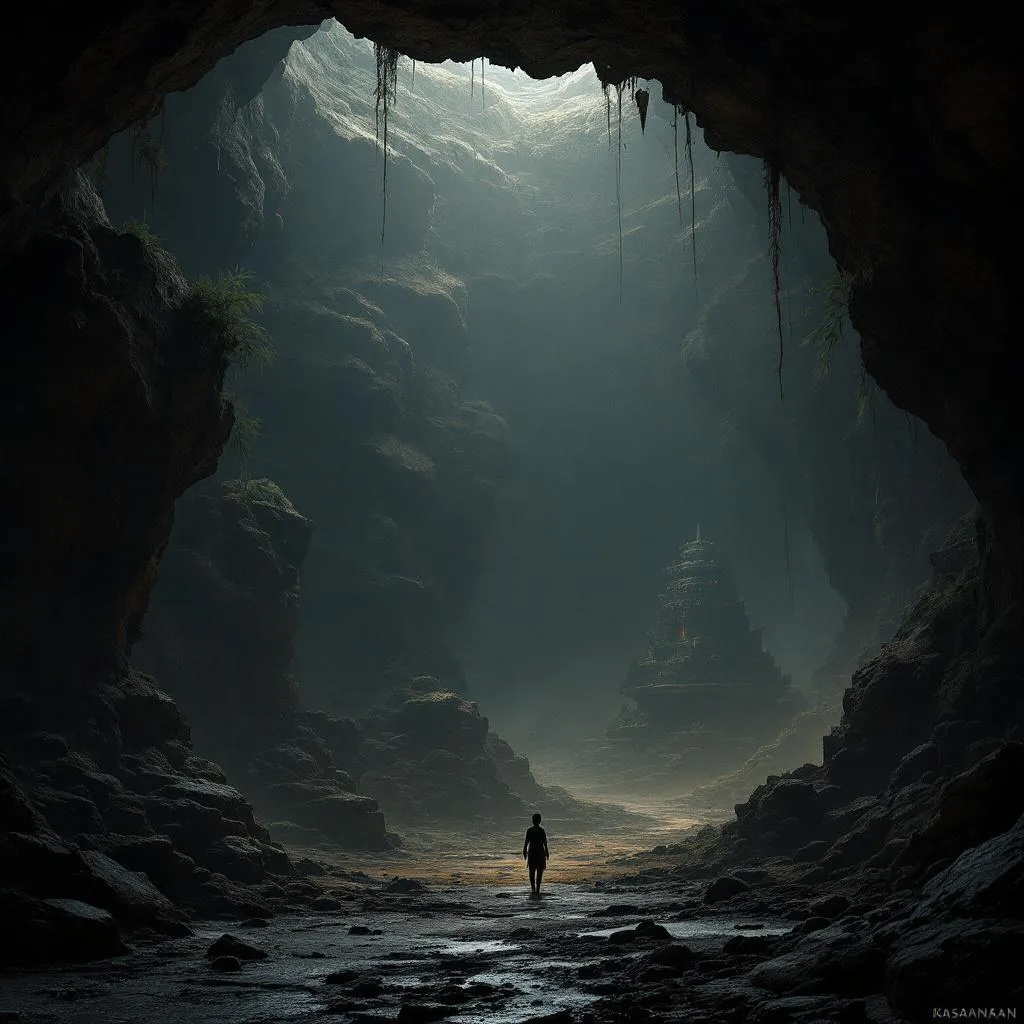
Kasanaan is often imagined as a realm beneath the earth or beyond the visible world, where souls gather after crossing from life. It is not defined by a single physical description, but by its position within the cosmological system.
This realm represents a space of continuation. Life does not end abruptly. It moves into a different state, where existence takes on a new form.
The structure of Kasanaan reflects this transition, emphasizing movement and arrival rather than finality.

Inhabitants
The primary inhabitants of Kasanaan are the souls of the dead. These souls are believed to reach the realm through guidance, often associated with figures like Magwayen, who ensures their passage from the mortal world.
Kasanaan may also be associated with other beings connected to death and the afterlife, forming a network of presence that defines the realm.
The existence of these inhabitants reinforces the idea that death is not emptiness, but a shift into a different community of existence.
The Journey to Kasanaan
The transition from life to Kasanaan is not immediate. It is a process that involves movement, often symbolized by crossing water or traveling through unseen paths.
This journey reflects a broader cultural understanding of death as a passage rather than a moment. It requires guidance, direction, and completion.
Kasanaan is the destination of this journey, the place where the process concludes and a new state begins.
Relationship to Other Realms
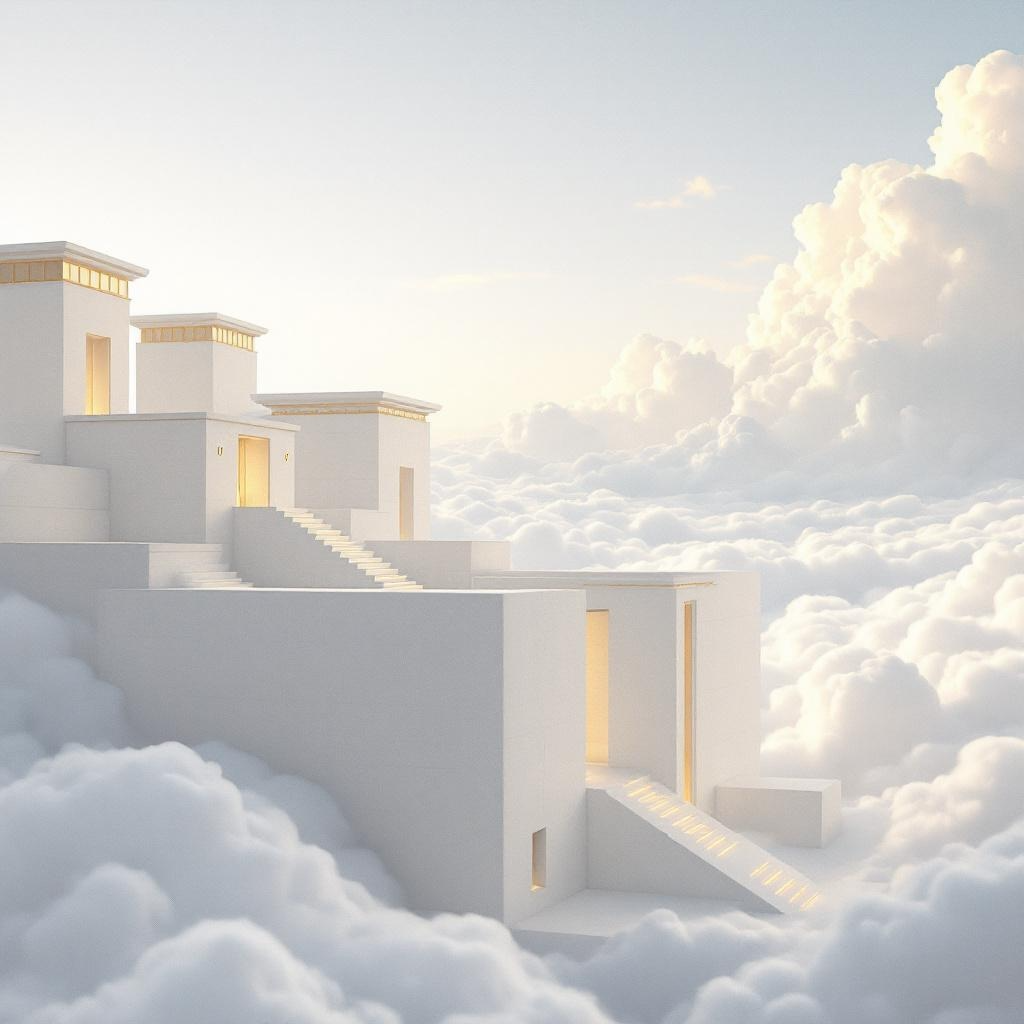
Kasanaan exists in direct contrast to Kaluwalhatian, the realm of the gods. While one represents elevation and divine authority, the other represents depth and the continuation of human existence beyond life.
Between these realms lies the mortal world, where humans live and interact with both forces.
This three-layered structure creates a complete system, where each realm has a function and a place within the larger cosmology.
Symbolism and Meaning
Kasanaan represents transition, continuation, and the unknown. It embodies the idea that death is not an ending, but a movement into a different form of existence.
Its depth reflects the unseen aspects of reality, where presence continues even when it is no longer visible.
At a deeper level, Kasanaan symbolizes acceptance, the recognition that life exists within a larger system that extends beyond the physical world.
Cultural Legacy and Modern Relevance
Kasanaan remains an important concept in understanding Philippine mythology, offering insight into how early Filipinos viewed death and the afterlife.
In modern contexts, it can be seen as a representation of transition and continuity, themes that continue to shape how people understand existence and change.
Conclusion
Kasanaan is not simply a place of the dead. It is a realm of continuation, where life moves beyond its visible form and enters a different state of existence.
Through its role within the larger cosmological system, it completes the cycle of life, death, and what lies beyond.