Kaluwalhatian — The Realm of the Gods in Philippine Mythology
Overview
Kaluwalhatian is the celestial realm in Tagalog mythology, often described as the dwelling place of the gods, including Bathala and other divine beings. It exists above the mortal world, representing a space of order, clarity, and authority.
Unlike earthly environments that are shaped by change and conflict, Kaluwalhatian is associated with stability. It is a realm where divine presence defines structure, and where the forces that govern existence originate.
Etymology and Cultural Roots
The term “Kaluwalhatian” is derived from the Tagalog word “luwalhati,” meaning glory or exaltation. It reflects a concept of elevation, both in position and in state, where the realm exists beyond ordinary human experience.
In pre-colonial belief systems, this realm was not merely a distant place, but part of a layered cosmology. The world was understood as consisting of multiple levels, each with its own function and inhabitants.
Kaluwalhatian occupies the highest of these levels, serving as the center of divine activity.
Structure of the Realm
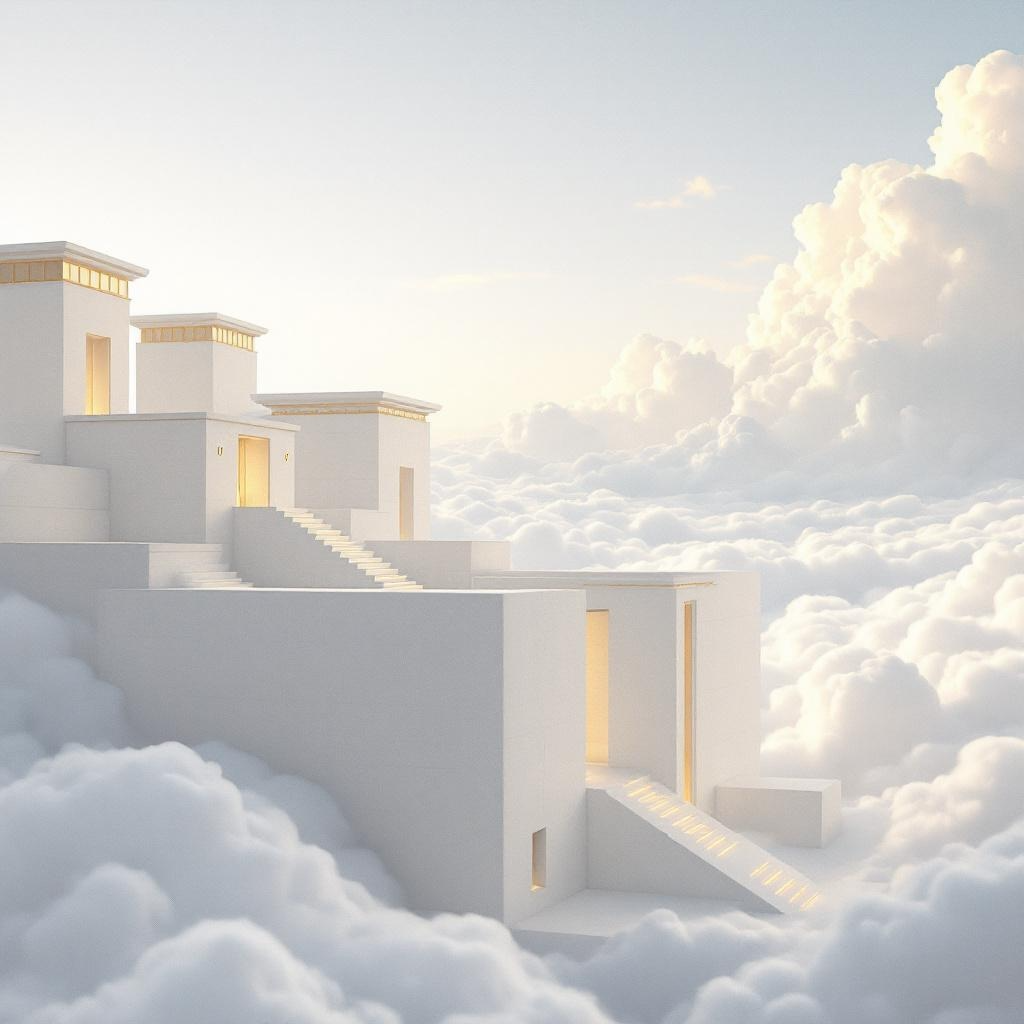
Kaluwalhatian is often imagined as a space above the sky, where divine beings reside and oversee the world below. It is not defined by physical boundaries, but by its position within the cosmic structure.
This realm is associated with light, order, and continuity. It is where the systems that govern the natural and human world are maintained, ensuring that balance is preserved across different layers of existence.

Inhabitants
The primary inhabitants of Kaluwalhatian are the gods, including Bathala and other deities connected to the sun, moon, and natural elements.
These beings are not passive. They are part of an active system, where each plays a role in maintaining the structure of the world.
Their presence in Kaluwalhatian reinforces the idea that authority and governance originate from a higher level, shaping the conditions of the mortal realm.
Relationship to the Mortal World
Kaluwalhatian is connected to the earthly world, but it is not directly accessible. It exists as a higher layer, influencing the world below without being fully visible or reachable.
This relationship reflects a hierarchical structure, where the mortal world operates within the framework established by the divine realm.
Interactions between the two realms occur through influence rather than direct presence, maintaining a sense of distance while preserving connection.
Symbolism and Meaning
Kaluwalhatian represents order, origin, and authority. It embodies the idea that existence is structured, with higher levels that define and guide what occurs below.
Its position above the mortal world reflects aspiration, the concept of looking upward toward something greater or more complete.
At a deeper level, Kaluwalhatian symbolizes the source of balance, a place where the forces that shape the world are aligned and maintained.
Cultural Legacy and Modern Relevance
Kaluwalhatian remains an important concept in understanding Philippine mythology, offering insight into how early Filipinos viewed the structure of existence.
In modern contexts, it can be seen as a representation of higher order and origin, concepts that continue to influence how people understand systems, authority, and the idea of a greater whole.
Conclusion
Kaluwalhatian is not just a place, but a level of existence.
Through its position above the mortal world, it represents the source of structure and balance, a realm where the forces that shape reality are defined and sustained.